What Are Stablecoins? A Cross-Border Payment Guide for Global Businesses (2026)
A wire transfer to Latin America takes 3 days, costs 3–5% in fees, and arrives shortly — if this sounds familiar, stablecoins are the infrastructure upgrading your business needs.

What Exactly Is a Stablecoin?
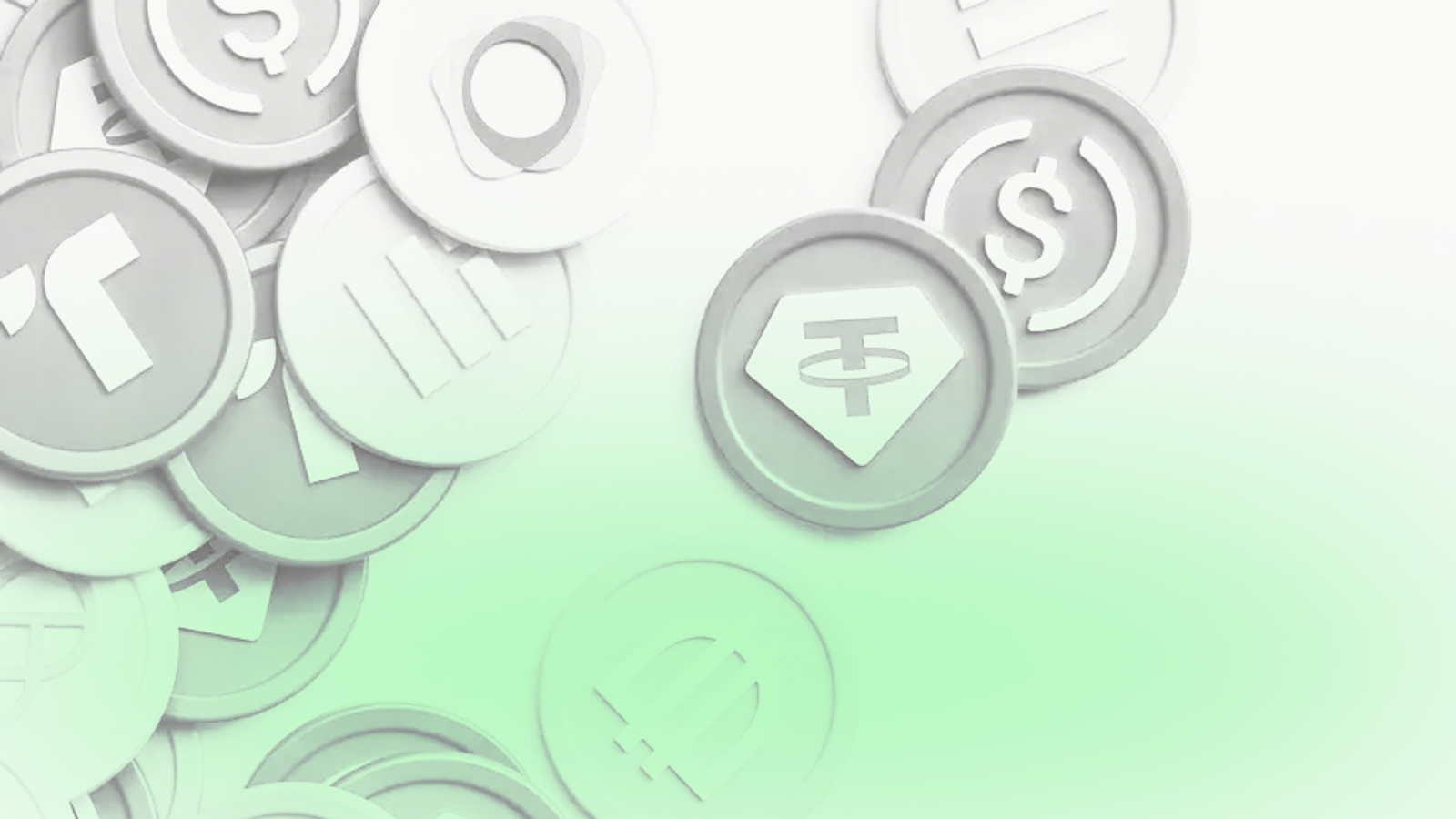
A stablecoin is a digital asset pegged to a real-world currency — most commonly the US dollar or euro — issued and transferred on a blockchain. Unlike Bitcoin or Ethereum, stablecoins don't fluctuate wildly. The entire point is stability: 1 USDC = $1. Always.They combine the reliability of fiat money with the speed and programmability of blockchain rails — making them the ideal tool for enterprise cross-border payments.
The Stablecoins VelaFi Supports
VelaFi's infrastructure is built around six stablecoins, each designed for a specific currency corridor:
VelaFi’s six stablecoins:
USDT (USD, global liquidity), USDC (USD, compliance/audit), EURC (EUR, euro flows), MXNB (MXN, Mexico/SPEI), BRL1 (BRL, Brazil/PIX), COPM (COP, Colombia/PSE).
Use local-currency stablecoins whenever the recipient is in Mexico, Brazil, Colombia.
💡 This is what sets VelaFi apart: instead of forcing every transaction through USD, VelaFi supports local-currency stablecoins for Latin America's three largest economies — Mexico, Brazil, and Colombia — eliminating a full layer of FX conversion and cost.
Stablecoins vs. Traditional Cross-Border Payments
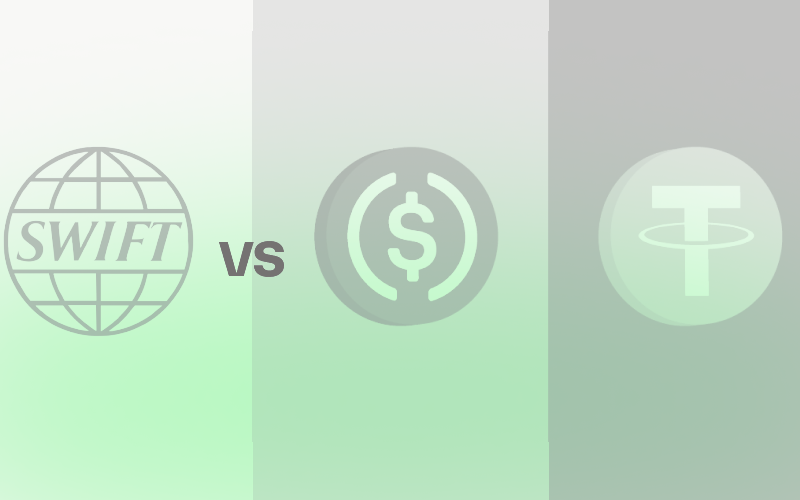
Stablecoins vs. traditional wire:
Speed — minutes vs. 1–5 business days.
Cost — under 1% vs. 3–5% blended.
Visibility — real-time on-chain vs. opaque.
Availability — 24/7 vs. banking hours. FX — near mid-market vs. bank spread markup.
Why Latin America–Focused Businesses Need This Now
Latin America is one of the world's fastest-growing regions for cross-border commerce — and also one of the most painful for traditional payments. Currency volatility in Brazil and Colombia, SPEI dependency in Mexico, and fragmented banking infrastructure across the region make every dollar transferred expensive and slow.
VelaFi was built specifically for this reality. By connecting local fiat rails (SPEI in Mexico, PIX in Brazil, PSE in Colombia) to blockchain settlement, VelaFi eliminates friction at both ends:
- Senders on-ramp from USD, EUR, or local fiat into stablecoins
- Recipients off-ramp directly into MXN, BRL, or COP — no crypto knowledge required
Result: < 30 minutes | < 1% total cost | Fully traceable on-chainBusinesses access this through VelaFi's dashboard or directly via REST API — no blockchain expertise required.
Who Is This For?
✅ Cross-Border E-Commerce
Pay suppliers in Mexico or Brazil at local-currency rates, without double FX conversion.
✅ B2B Trade & Manufacturing
Settle large invoices in seconds instead of days. Lock in rates, reduce FX exposure.
✅ Global Payroll
Pay remote teams across LatAm in their local currency — MXNB to Mexico, BRL1 to Brazil, COPM to Colombia — in a single operation.
✅ SaaS & Digital Platforms
Collect revenue globally and distribute to LatAm partners via API-automated stablecoin flows.
Compliance & Security: Built In, Not Bolted On
VelaFi operates as a regulated financial infrastructure provider across its markets:
- 🔐 Hot and cold wallet segregation to protect enterprise assets
- 📋 Enterprise KYB onboarding — fully compliant with regional AML/CFT requirements
- 🔍 On-chain auditability — every transaction traceable for financial reporting
- 🛟 24/7 customer support — dedicated to enterprise clients
How to Get Started with VelaFi
Step 1 — Apply: Submit your business information at velafi.com
Step 2 — Complete KYB: VelaFi's compliance team verifies your entity
Step 3 — Fund & Test: On-ramp a small amount, run a test transfer to your target corridor
Step 4 — Integrate or Scale: Use the dashboard for manual flows, or connect via API for full automation
Stop losing profit margins to slow, expensive wire transfers. Talk to VelaFi and start moving money across borders in minutes.
FAQ
Q: Do I need to understand blockchain to use VelaFi?
No. VelaFi's platform abstracts all the complexity. Your team interacts with a dashboard or API — not wallets or private keys.
Q: Which countries does VelaFi currently support?
VelaFi's primary corridors are Mexico, Brazil, Colombia, Argentina, broader Latin America, Asia and the United States, with continued expansion underway.
Q: What's the difference between MXNB, BRL1, and COPM vs. USDT/USDC?USDT and USDC are USD-pegged and ideal for USD-denominated settlement. MXNB, BRL1, and COPM are pegged to local LatAm currencies — they let recipients receive funds in their home currency without any FX conversion on their end.
Q: Is my money safe while in transit?
Yes. VelaFi uses hot/cold wallet architecture and operates under regulated compliance frameworks. On-chain transactions are immutable and fully auditable.
Q: How does VelaFi compare to a traditional bank wire?
Faster (minutes vs. days), cheaper (< 1% vs. 3–5%), more transparent (on-chain vs. opaque), and available 24/7.
Sources
- Chainalysis, Global Crypto Adoption Report (2024)
- World Bank / RemitSCOPE, Remittance Inflows Latin America and the Caribbean (2024)
- Central Bank of Brazil, PIX Payment System Statistics (2024)
![Best Ways to Pay Suppliers in China from Latin America [2026]](https://cdn.sanity.io/images/ejzuuxdh/production/845d9c06d6dc4a5526f2249194988b623e1d97f7-1040x640.png?rect=8,0,1024,640&w=800&h=500&fit=crop&auto=format)